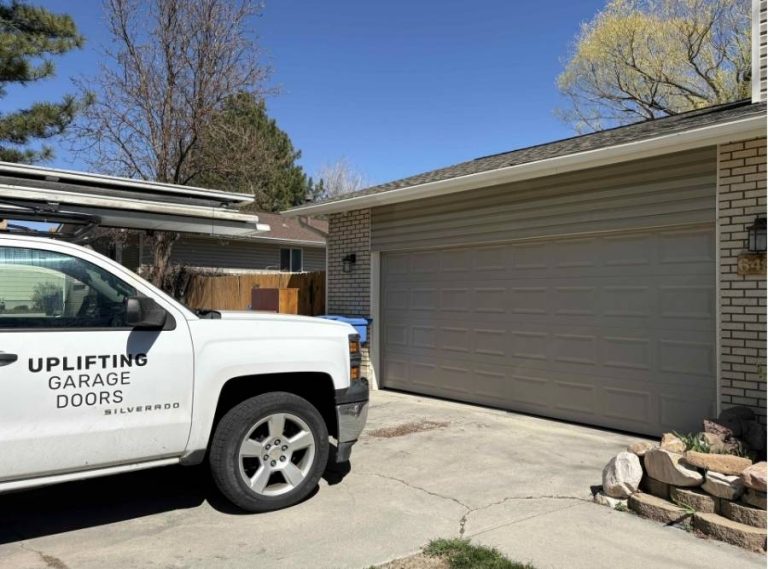
Commercial Garage Doors
Commercial garage doors are vital for the operational efficiency, security, and curb appeal of your business. They come in numerous types, including sectional, rolling, high-speed, and fire-rated doors, each suitable for specific applications. They’re crafted from various materials such as steel, aluminum, fiberglass, vinyl, and wood, each offering unique benefits and decor styles. Regular maintenance, professional servicing, and considering energy efficiency are pivotal aspects of owning a commercial door. Customization options further enhance your business’s image. Continue with us, and you’ll get to understand the attributes of bi-fold doors, sectional steel doors, and how to choose the right door based on your business needs.
Understanding Commercial Garage Doors
When it comes to understanding business garage doors, there’s more than meets the eye. From various types like sectional, rolling, high-speed, fire-rated, and traffic doors, to diverse construction materials like steel, aluminum, and insulated panels, these doors are designed to meet a wide array of business needs.

Maintenance tips are essential for the longevity of these doors. Many are designed with heavy-duty hardware for extended spring life and minimal upkeep, ensuring they’re up to the task for prolonged periods. Safety features like FingerGuard™ Pinch-Resistant Section Joints and cable management systems also contribute to maintaining the doors’ best operation.
Moreover, energy efficiency is a key consideration. Insulated models and those featuring Clopay’s exclusive polyurethane Intellicore insulation enhance thermal efficiency, ensuring your business spaces stay comfortable while keeping energy costs low. Additionally, commercial doors are often backed by a network of Overhead Door™ Red Ribbon Distributors, ensuring reliable, nationwide support whenever necessary (Dedicated nationwide support).
Whether you operate an emergency facility, distribution center, car dealership, or industrial environment, understanding business garage doors is vital. They are not just about functionality, but also about energy efficiency, maintenance ease, and safety. With the right knowledge, we can make informed decisions to choose doors that best serve our needs.
Benefits of Commercial Garage Doors
Boosting operational efficiency, improving security, enhancing curb appeal, and ensuring longevity are some key benefits of commercial garage doors. With their innovative design, they greatly reduce downtime, thereby enhancing workflow. Features like high-speed doors and automated openers with timer-to-close functions make the doors energy-efficient and ideal for high-traffic areas.

Security is vastly improved through robust materials and secure locking mechanisms. These doors often come with reversal mechanisms and sensors, providing a safe, accident-free environment. With water-resistant features, they stand up against potential water damage, guaranteeing lasting durability.
Their aesthetic appeal is undeniable. Custom designs, stylish finishes, and high-quality craftsmanship contribute to an elevated curb appeal. From the ArmorBrite™ Powder Coat System finishes to insulated and non-insulated door options, these doors can be tailored to align with your business’s aesthetic needs. Moreover, commercial garage doors can be chosen from a wide collection, with options like stylish storefronts, functional fire doors, and everything in between, to suit your business needs (wide collection).
The durability of commercial garage doors is remarkable. Constructed with premium materials, they withstand daily wear and tear. Systems like the ControlGard chain operator prevent damage, while warranty coverage and regular maintenance ensure the longevity of the doors. Truly, these doors are a worthy investment for any business.
Exploring Types of Commercial Doors
In our exploration of commercial garage doors, we investigate the diverse types that cater to different business needs. Let’s begin with sectional doors, with their horizontal sections joined by hinges, offering a variety of designs in steel and aluminum. Their use is quite common in industrial settings due to their heavy-duty steel construction suitable for loading zones and lightweight aluminum for low traffic areas. Insulated commercial doors are a game-changer, providing energy efficiency and temperature control, essential for businesses storing sensitive products.

Security is paramount for any business, and that’s where security grille doors come in. These sturdy doors prevent unwanted entry and minimize theft and damage risk, offering peace of mind. For warehouses and high traffic facilities, commercial roll-up doors are a popular choice, boasting smart design and durability. They are especially favored in the U.S., known for their diverse slat profiles and design options (FAVORED IN THE U.S.).
Each door type has a unique installation process and maintenance tips to [GUARANTEE] longevity. For instance, sectional doors require regular lubrication of the hinges, while insulated doors need regular checking for insulation damage. Security grille doors need constant checks for locks and strength, and roll-up doors should be inspected for any deformities in the slats.
Ideal Usage of Door Types
Understanding the unique features of each commercial door type is just the beginning. Let’s explore how these varied door types fit into specific applications.

Overhead and sectional doors, with their door durability and energy efficiency, are perfect for industrial settings and heavy-duty applications. Their advanced insulation technology makes them ideal for environmental control.
Roll up and coiling doors, with their space-saving design, are common in warehouses and service entrances. Their secure insulation options and fire-rated materials cater to both interior and exterior installations.
Security and grille doors are your go-to for high-security areas, minimizing theft and damage risks. With the strength of these doors, you’re not just investing in a door, you’re investing in peace of mind.
High-speed and specialty doors shine in situations demanding fast opening and closing times, like emergency services and high traffic zones. They’re your ally in maintaining facility temperature and reducing energy costs, hence their popularity in large-scale warehouses.
Material Choices for Garage Doors
We’re about to explore the variety of materials available for commercial garage doors, from steel and aluminum to more unique options like fiberglass, vinyl, and wood. Each material presents its own set of benefits, which can influence your choice depending on your business’s specific needs. Let’s begin our discussion with the classic steel and aluminum doors and their respective advantages. For instance, Raynor’s SteelForm Series™ and AlumaView® Series are popular choices that offer robust and durable solutions. Robust and durable solutions represent a key aspect of these series, making them ideal for commercial applications that demand high performance.
Steel Versus Aluminum Doors
Choosing between steel and aluminum for your garage door material is a significant decision, one that impacts your garage’s durability, maintenance, cost, aesthetics, and functionality. Steel doors are tough, offering excellent durability and added security. However, they require regular maintenance for rust prevention, especially if scratched or dented. They’re generally more affordable upfront and guarantee better long-term value due to their durability and higher insulation options. Aesthetically, they offer a substantial, classic look with various design options.

On the other hand, aluminum doors are rust and corrosion resistant, making them a low-maintenance choice, particularly in humid or coastal areas. They can be more expensive but offer longevity and modern aesthetics, especially when combined with glass panels. Installation challenges are minimal due to their lightweight nature, sparing the garage door opener from excessive stress. However, they provide less thermal efficiency compared to steel doors. Importantly, both materials are eco-friendly due to their recyclability, minimizing their environmental impact.
Benefits of Fiberglass Doors
While steel and aluminum have their merits, opting for fiberglass as your garage door material can yield significant benefits. Fiberglass doors are highly durable, resistant to moisture, rust, warping, and even salt-water corrosion, making them ideal for humid or coastal areas. They can withstand extreme weather conditions, maintaining their shape and functionality despite temperature fluctuations.
The installation process for fiberglass doors is straightforward, and their lightness reduces strain on automatic openers. This not only makes manual operation easier but also potentially extends the service life of your garage door openers.
When it comes to cost comparison, fiberglass doors score high on energy efficiency. Their insulation layers help maintain indoor temperatures, minimizing air leakage and reducing heating and cooling costs. This ultimately translates into savings on your energy bills.

Beyond functional benefits, fiberglass doors offer aesthetic flexibility. They can mimic various finishes, like wood grain, without the high maintenance requirements of wood. They allow natural light entry through windows, creating a bright environment in your garage. Additionally, fiberglass is an eco-friendly option, offering a high-end look without the environmental impact of wood and metals.
Despite these numerous advantages, it’s important to note that fiberglass doors can be more susceptible to damage, as they are more brittle than materials like steel or wood. However, their high resistance to corrosion and denting makes them a long-lasting option.
Vinyl and Wood Options
Often, when considering material choices for garage doors, vinyl and wood options come to mind. Both materials offer unique benefits, but they also have distinct maintenance and insulation properties.

Vinyl doors are highly durable, resistant to dents, and require little upkeep. They’re typically built on steel frames filled with polyurethane insulation, providing decent thermal efficiency. Vinyl’s corrosion and rot resistance make it a solid choice for various climates. Additionally, vinyl garage doors often come at a lower cost than other materials, making them a cost-effective solution.
On the other hand, wood doors offer aesthetic appeal and natural insulation. However, they require more maintenance, like regular repainting and refinishing, especially in harsh climates. Wood’s natural insulating properties can contribute to greater energy efficiency.
Our maintenance comparison shows vinyl as the low maintenance option, while wood requires consistent care. Regarding insulation properties, wood naturally insulates better, but modern vinyl doors can also provide decent insulation.
In the end, your choice between vinyl and wood can depend on your specific needs and preferences. Whether you prioritize low maintenance, insulation, aesthetics, or durability, both vinyl and wood options have a lot to offer in terms of commercial garage doors. Find the one that makes you feel most at home.
Security Features of Door Materials
Let’s now turn our attention to the security features inherent in different garage door materials. From the robustness of steel to the safety attributes of fiberglass, and the potential weaknesses in wooden doors, each material brings its unique security profile. Understanding these features is key to making an informed decision about the best commercial garage door for your business needs. For instance, advanced safety features like photoelectric sensors and automatic reverse mechanisms are commonly integrated in garage doors made of modern materials, enhancing the overall security and reducing the risk of accidents (photoelectric sensors and automatic reverse mechanisms).
Steel Door Security
When it comes to security, steel garage doors are a top choice for their exceptional strength and resilience. They are highly resistant to forced entry attempts, thanks to their material strength and the use of galvanized steel, which enhances durability.

Our focus on security features doesn’t stop at the material choice. We consider the locking mechanisms integral to the security of your garage. Steel doors often come with high-quality locks resistant to tampering. Euro cylinder locks with anti-snap, anti-bump, and anti-drill features, as well as integrated deadbolts and multi-point locking systems, elevate the security levels.
Moreover, the incorporation of locking rods in place of cables in modern garage doors further bolsters security, making it harder for intruders to break in (locking rods).
When we discuss installation tips, we’d be remiss not to mention the importance of a tight seal. This vital aspect ensures minimal vulnerability. Additionally, opting for styles with minimal leverage points such as roller and sectional doors, further boost security.
Lastly, let’s not overlook advanced security integrations. Options like smart technology for remote monitoring, biometric access systems, and impact-resistant doors provide a strong security layer. We’re here to guarantee you feel secure and belonged, and we believe our steel doors can offer just that.
Fiberglass and Safety
Shifting our focus to fiberglass, we find another material that balances security and aesthetics. The fiberglass advantages are numerous, offering durability and resistance to damage, while also providing safety features that can be enhanced with additional security measures.

Fiberglass garage doors resist dents, rust, and do not warp or rot when exposed to moisture. These doors can withstand harsh weather conditions and are less prone to cracking, making them a reliable choice for those concerned with security. Enhanced with extra locks, security bars, and defender systems, these doors offer a fortified defense against intruders.
Aesthetic considerations need not be sacrificed for security. Fiberglass doors can be customized to emulate various textures and colors, adding to your property’s curb appeal while maintaining security. Additionally, their maintenance is minimal, requiring only occasional cleaning.
Incorporating safety features like automatic openers with unique passcodes, security cameras with motion detection, and regular maintenance ensures smooth operation and prevents vulnerabilities. This blend of durability, security, and aesthetic appeal makes fiberglass a compelling choice for commercial garage doors.
Wooden Door Weaknesses
Moving our attention from fiberglass to wooden garage doors, we encounter a different set of considerations. Wooden doors have their own unique charm, but their beauty may come with a price. Our job is to help you understand wooden door vulnerabilities and how to address them.

Wood, while robust, presents certain challenges. Cracks, rot, and other damage can weaken the door, making it more susceptible to forced entry. Even seemingly minor signs of wear and tear, such as loose hinges or warped panels, can compromise the door’s integrity. Windows in wooden doors can be a security risk if not made of shatter-resistant materials.
But don’t despair, there are several security enhancements we can adopt. High-quality deadbolt locks, heavy-duty strike plates and security bars can reinforce the door frame. Applying shatterproof films or frosted glass to windows obscures the view inside. Regular maintenance including lubrication of hinges and checking mechanical parts is essential.
We believe in the power of community and shared knowledge. Together, we can make our spaces safer with these considerations in mind. So, let’s fortify those beautiful wooden doors, and keep our properties secure!
Considerations for Choosing Doors
In the process of choosing commercial garage doors, considering a wide range of factors is crucial. One such consideration is the door’s primary use. Frequent vehicle movement, equipment handling, or storage needs will impact your decision. Also, think about the frequency of use and the type of traffic the door will encounter – will it be trucks, forklifts, or other heavy machinery?

Special requirements, such as fire-rated doors or specific building codes, are also vital in your decision-making process. We can’t underestimate the significance of selecting doors made of high-quality materials for durability, strength, and longevity. Weather resistance is another important factor, with materials like steel offering exceptional resistance to wind, snow, ice, and humidity.
Maintenance considerations are crucial as well. Some materials, like wood, require regular painting or sealing. However, the effort can be worthwhile for the aesthetic appeal and the sense of ownership it can instill in clients and employees alike.
Energy efficiency is another significant factor to consider. Choosing materials and designs that provide good insulation can help regulate indoor temperatures and lower energy expenses, leading to long-term savings and environmental advantages.
Aluminum Glass Door Details
We’ve explored the key considerations when choosing commercial garage doors, and now let’s look closer at the specifics of aluminum glass doors. Known for their rust-proof aluminum frames, these doors are constructed from a 6063-T5 Aluminum gauge with a frame thickness of 2-1/8″ for most models. For privacy, solid aluminum panels are an available option.

The glass paneling offers a range of thicknesses, insulated options, and various glazing materials. Choices of glass thickness include 1/8″, 1/4″, and 1/2″, with low-e argon filled glass providing energy efficiency. Clear tempered glass, black acrylic, and hardcoated acrylic are among the glazing materials.
Customization is also a strong suit of aluminum glass doors. Be it custom powder coat, Color Blast®, or anodized finishes, or 187 different color offerings, each door can be tailored to your preference. Standard colors include clear aluminum, white, bronze, dark bronze, and black.
The performance of these doors is backed by commercial hardware, with 14 gauge hinges, commercial 10 ball steel rollers, and 10,000 cycle torsion springs. Additionally, insulation options, such as polyurethane insulated rails, enhance the doors’ energy efficiency while maintaining a sleek, modern look.
Fire-Rated Door Importance
Understanding the significance of fire-rated doors in a commercial setting is vital. They’re a fundamental component of your business’s fire safety system, providing valuable time for occupants to evacuate and firefighters to control the blaze. Built from fire-resistant materials like steel and gypsum, these doors resist flames and smoke, minimizing property damage by slowing fire spread.

But fire-rated doors offer more than fire safety. They also bring enhanced security features to the table. Their reinforced panels, heavy-duty frames, and tamper-proof mechanisms form a formidable barrier against forced entry, deterring potential intruders effectively.
Compliance with regulations is another critical aspect. Fire-rated doors must meet specific codes and standards, such as NFPA 80 and the IBC. They’re tested and certified by third-party agencies, ensuring maximum safety for occupants and legal adherence.
Attributes of Bi-Fold Doors
There’s a world of benefits when it comes to the attributes of bi-fold doors. These dynamic entries, often composed of four or more panels, can be made from several materials, such as steel, wood, or other metals. The design possibilities are endless, allowing for a blend of classic styles with modern aesthetics.

The operational characteristics of bi-fold doors are equally impressive. Some doors split at the center, either folding or rolling to each side. Others may roll up as a single unit. We’re talking about systems that can be rated for extra high wind zones and doors that are bottom rolling with an in-frame track for optimum panel support.
When it comes to durability, you’ll find bi-fold doors made from high-strength materials like steel and aluminum. Wood bi-fold doors offer a classic look, while Sing Core bi-fold doors use a composite sandwich composition for stability to prevent warping.
Functionally, bi-fold doors are a dream. They’re often chosen for their elegant look, enhancing curbside appeal and increasing property values. They’re energy efficient, fully insulated, sound deadening, and air tight. With bi-fold doors, you’re stepping into a world of modern aesthetics, functionality, and energy efficiency.
Understanding Sectional Steel Doors
Diving right into the heart of commercial garage doors, let’s explore the domain of sectional steel doors. Composed of multiple horizontal panels hinged together, these doors are designed to bend along a curved path, enabling them to roll up and store above the garage opening. This intelligent design maximizes space and provides an aesthetic edge.

Sectional steel doors are celebrated for their durability, often chosen for commercial settings where high strength is a necessity. Their robust construction can withstand extreme weather and high-traffic use. Yet, they aren’t just about strength; these doors also place a premium on safety. The absence of extension springs and the inclusion of advanced features like automatic reverse and photoelectric sensors make them a safe choice.
Now, let’s touch on installation tips and our maintenance guide. Proper installation is essential to guarantee safety and security. Regular maintenance, wherein you can replace individual panels instead of the entire door, enhances longevity and performance. While the initial cost may be higher, lower maintenance costs and energy efficiency make them a cost-effective choice in the long run. Welcome to the world of sectional steel doors.
Insights on Rolling Shutters
Stepping into the world of rolling shutters, we encounter a robust security solution that’s both practical and versatile. These shutters, crafted from commercial-grade materials like steel or aluminum, provide formidable protection against break-ins, vandalism, and theft. Their durability and longevity, with the capacity to handle up to 50,000 open and close cycles, make them a reliable choice for businesses.
But their benefits aren’t just limited to security. They offer practical functional advantages too. For instance, they’re excellent at shielding your premises from unfavorable weather conditions, and the available insulation can greatly reduce your energy expenses. They’re quiet, versatile, and can even enhance your privacy.
As for the installation process, it’s straightforward, but best left to professionals to ensure top-notch performance. Once installed, following simple maintenance tips can extend their life. Regular cleaning, lubricating moving parts, and occasional professional servicing are part of this upkeep.
Door Selection Based on Business Needs
Having explored the benefits of rolling shutters, let’s shift our focus to a crucial aspect for any commercial establishment: the selection of garage doors based on specific business needs. It’s essential to take into account the frequency and purpose of door usage. For areas with high foot traffic or zones with frequent vehicle movement, we recommend high-speed, durable options like roll-up doors to minimize downtime.

When it comes to materials, choices range from sturdy steel and aluminum to stylish wood and glass. Insulated doors are a preferred choice for storage facilities as they offer energy efficiency and temperature control. Corrugated steel doors, on the other hand, are known for their strength and weather resistance.
Security measures are another crucial aspect. From security grille doors to advanced locking mechanisms, the options are plentiful. For high-risk environments, fire-rated doors are indispensable. Additionally, impact-proof sectional doors are ideal for high-traffic zones, ensuring safety and durability.